-
Pigeons in the Siege of Antwerp, 1832
The Franco-Prussian War of 1870-71 is perhaps the most well known instance of pigeons being used to carry information in and out of a city during a siege. But nearly 40 years earlier, the Dutch military used pigeons in a similar fashion during the Siege of Antwerp in 1832. In this post, we examine the…
-
Pigeons in the Hut Tax War of Sierra Leone, 1898
-
Pigeons in the Arctic: Part III: Sir John Ross’s 1850-51 Search for the Lost Franklin Bay Expedition
We’ve previously written about how Arctic explorers relied on homing pigeons in the late 19th and early 20th centuries. Recently, we uncovered facts demonstrating that Royal Navy personnel brought homing pigeons with them as they searched for the Lost Franklin Bay Expedition in the 1850s. Given that homing pigeons were very much a novelty amongst…
-
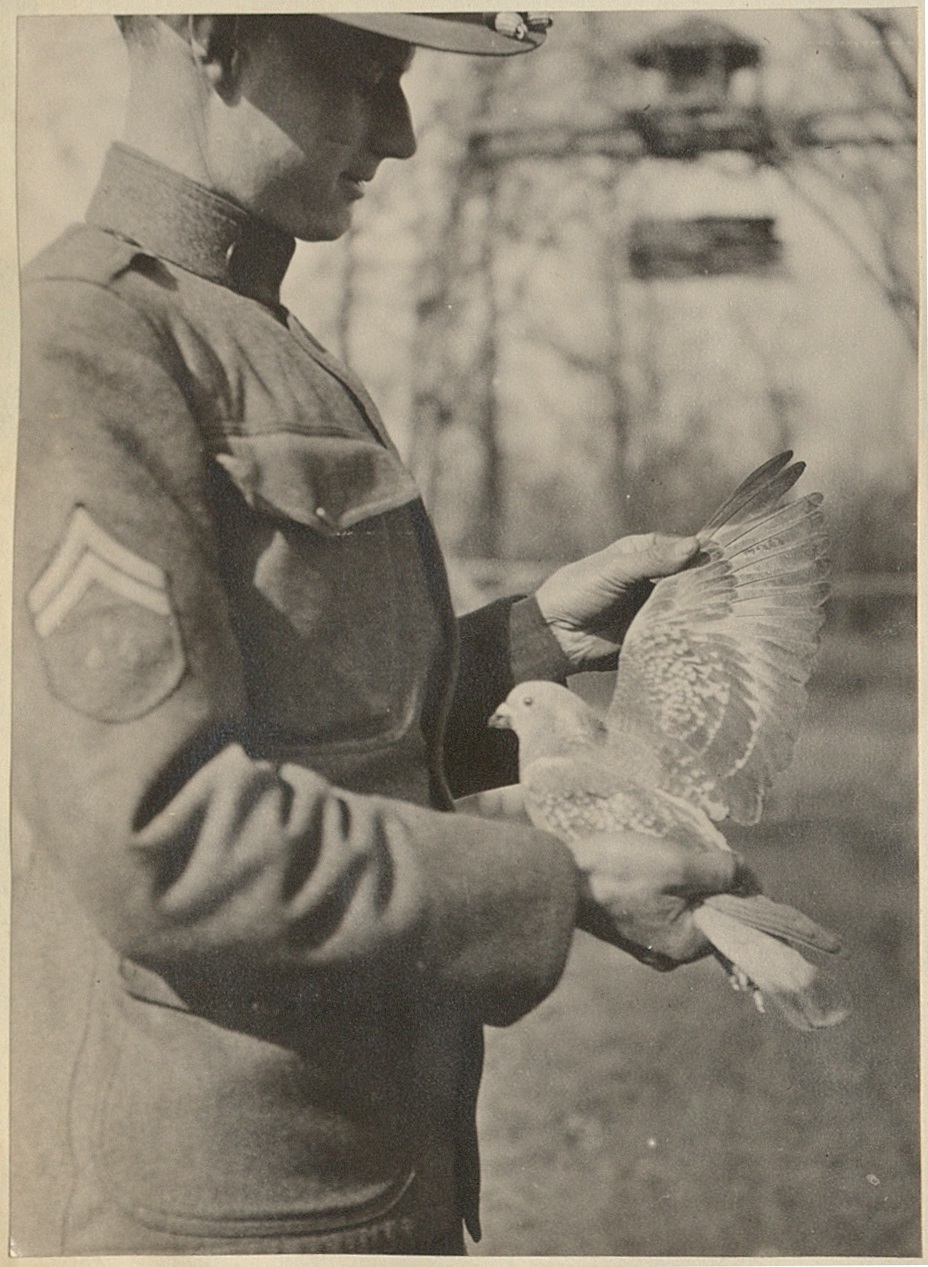
“Little Feathered Heroes”: Camp Pike’s Pigeon Service, 1917-1919
-
The Finnish Defence Forces’ Pigeon Service: 1923 – 1940s A.D.
Finland emerged as a latecomer to the pigeon arms race—while other countries had started supplying their militaries with pigeons in the late-1800s, it wasn’t until the 1920s that Finland implemented its own military pigeon service. This late start is unsurprising, as Finland was a possession of the Russian Empire from 1809 to 1917, known formally…
-
“Very Gallant Gentlemen:” The Pigeons of the Royal Naval Air Service, 1916-1918 A.D.
The United Kingdom’s Royal Air Force (RAF) enjoys the honor of being the world’s first independent air force. For over 100 years, the RAF has protected Britain’s skies and air space from harm, playing a major role in the Second World War and the Cold War. Few people, however, are aware of the RAF’s predecessors…
-
The Kingdom of Serbia’s Pigeon Stations: 1908 – 1918 A.D.
The Balkan Peninsula was a hotbed of activity during the latter-half of the 19th century. The Ottoman Empire had ruled the region for centuries, but a rise in ethnic nationalism challenged the status quo. Following a series of wars and rebellions, the Sick Man of Europe gradually receded from the Peninsula. At the close of…
-
Pigeons in the Roman Military: The Siege of Mutina (44-43 B.C.)
At its peak, the military of Ancient Rome was without peer. Enterprising commanders developed advanced weaponry, employed innovative strategies on the battlefield, and implemented incredible engineering feats. With this expertise, one might wonder: did the Roman military ever utilize a pigeon post? Before fully delving into this query, we first need to dispel a long-standing…
-
Pigeon Heroes of the Great War: Spike
Many of the famed war pigeons we’ve discussed at Pigeons of War were maimed in battle. This is not surprising, given that the birds served in active war zones. As visible targets flying over enemy lines, pigeons frequently lost legs, eyes, and wings. But some pigeons manage to remain injury-free in war. This week, we…
-
The Poilus: A Tale of Two War Pigeons
Many of the pigeons that participated in the Great War received names related to the conflict. The first American pigeon to deliver a message from the trenches was named Gunpowder, while British soldiers called one prominent bird Dreadnought. It should not come as a surprise, then, to learn that at least two pigeon heroes of…
 Pigeons of War