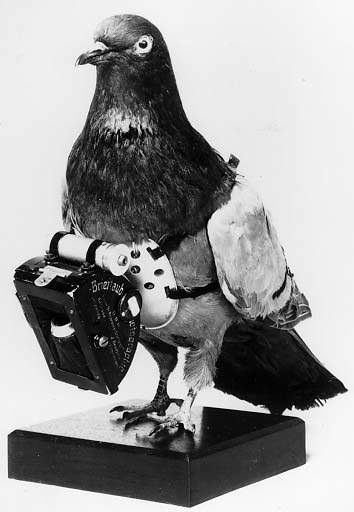
Cher Ami. GI Joe. President Wilson. These are among the most celebrated homing pigeons of the more than one million that served in both World Wars. But what about all the others? This is the first part in an occasional series that examines lesser-known war pigeons.
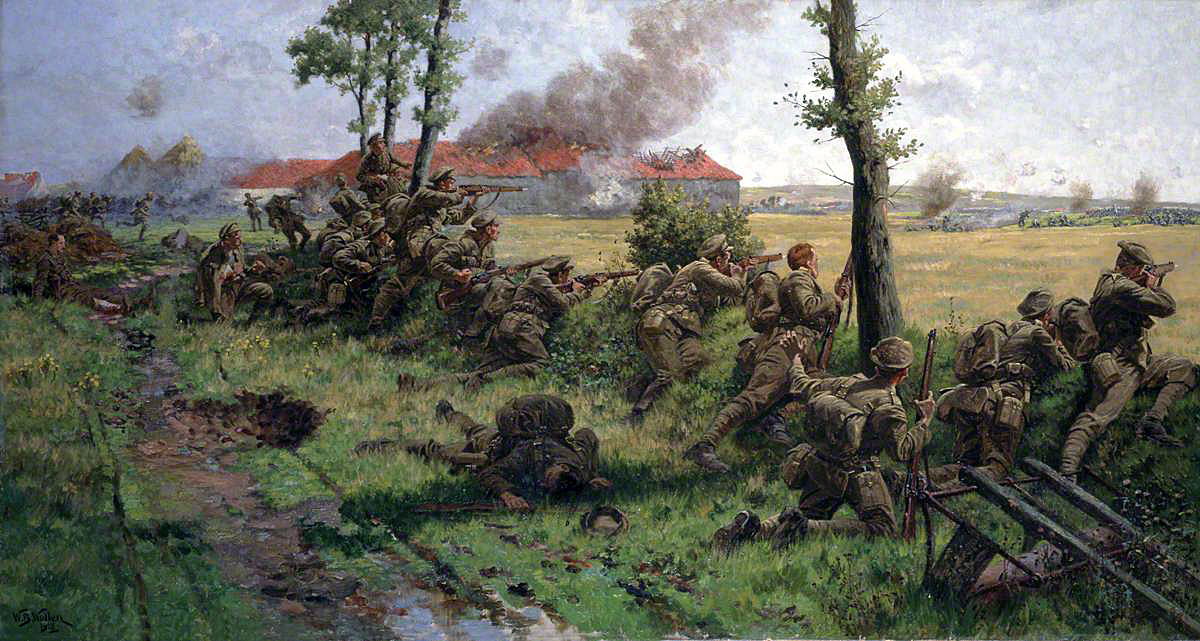
On August 23rd, 1914, the British Expeditionary Force and the German Army squared off at the Belgian city of Mons. It was their first engagement in the Great War. French authorities had tasked the BEF with guarding the left flank of the Fifth French Army from advancing German forces. Although outnumbered by about 2:1, the BEF dug into the Mons-Condé Canal and attempted to halt the German 1st Army. Britain’s experienced, professional soldiers inflicted disproportionate losses on the German, but after 48 hours, the British were forced to retreat.
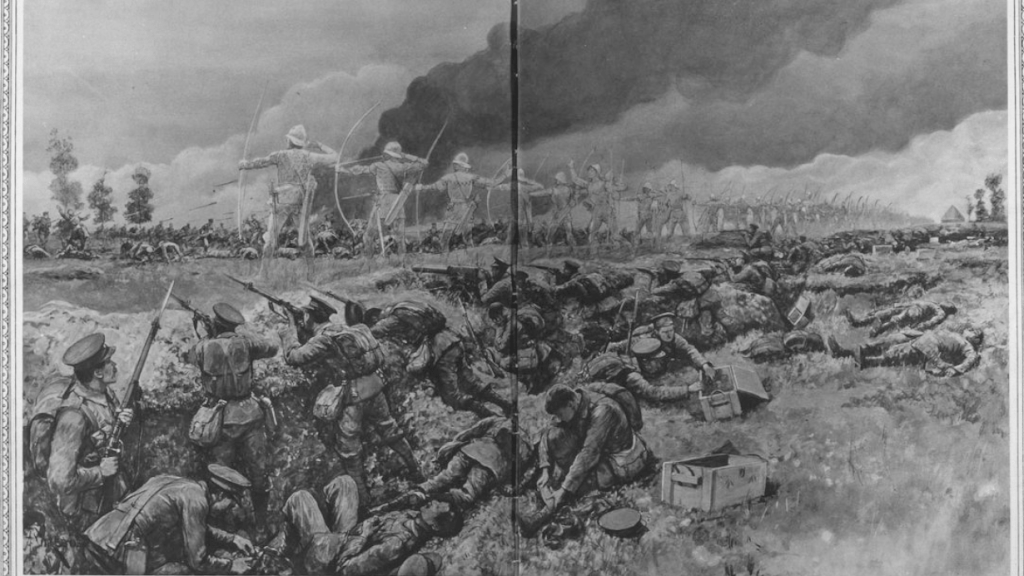
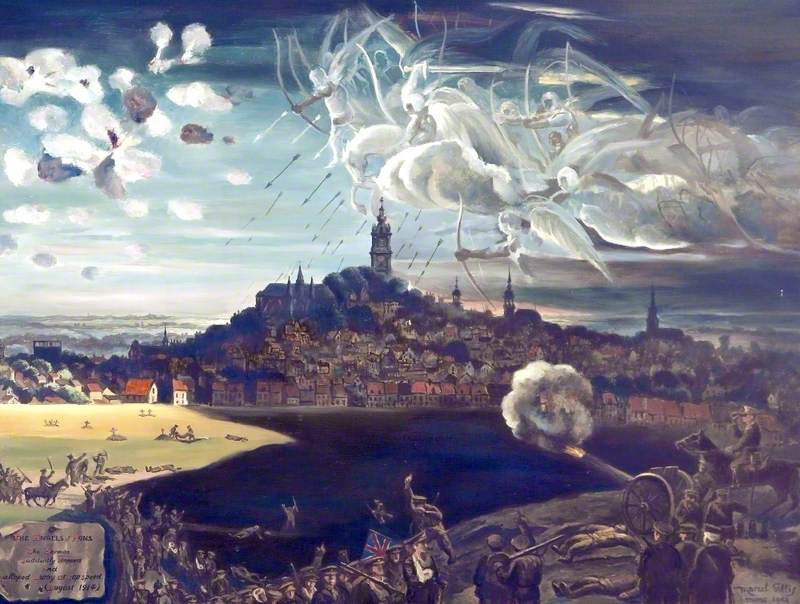
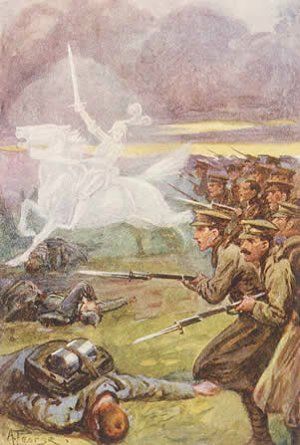
Technically a loss for the BEF, the Battle of Mons nonetheless boosted the spirits of the British public. It also stimulated their imaginations—within weeks, an elaborate mythology had begun to take shape. On September 29th, Welsh author Arthur Machen published a short story in which ghostly bowmen from the Battle of Agincourt, having been summoned by British soldiers retreating from Mons, come to the aid of their countrymen. Some readers thought Machen’s story was factual, as it was written like an eyewitness account. Variations of the tale started appearing in magazines, newspapers, and pamphlets around the country. By mid-1915, these retellings featured angelic warriors, strange, luminous clouds, and all sorts of other supernatural manifestations. Known collectively as the Angels of Mons, the stories comforted British society—they were proof that God was on the side of the Allied cause.
An equally legendary, yet more mundane account from the Battle of Mons credits a Belgian Homer named Happy Jack with saving dozens of lives. As the story goes, a detachment of 70 troops found themselves cut off from the main body by the Germans. The soldiers attached a message to Happy Jack and released him. The message was delivered, bringing relief to the soldiers. Happy Jack was declared a hero by the 70 men he saved. He served with the BEF throughout the rest of the War “and escaped without a scratch.”
It’s a great story and much more believable than angelic warriors descending from the Heavens to vanquish the Hun. But was Happy Jack—the Pigeon of Mons—actually at Mons? It’s hard to say conclusively, but the narrative seemingly crumples under scrutiny. The BEF didn’t have a pigeon service when it landed on the continent, for instance. French authorities sent a batch of birds to the British HQ nearly three weeks after the battle on September 11th, but the British Pigeon Service wouldn’t exist until 1915. If the British had pigeons at the Battle of Mons, they would’ve had to have been donated by Belgian fanciers.
More significantly, no accounts of the pigeon’s heroic deed ever appeared in British media during the War. In fact, Happy Jack’s story doesn’t appear in print at all until nearly a decade later. In January 1923, multiple American newspapers reported that the bird had saved 70 lives during the World War. Some of the accounts mention his presence at the Battle of Mons, others don’t. They all, however, note that he had just been sold to an American fancier and would be the chief attraction at the upcoming National Pigeon Association’s show in Michigan. One can’t help but suspect that the show’s organizers were trying to gin up some good PR for the event by trumping up the wartime credentials of a pigeon that may or may not have served in the Great War. Evidently, it worked, as the American Pigeon Journal observed that “he was quite an attraction at the show.”
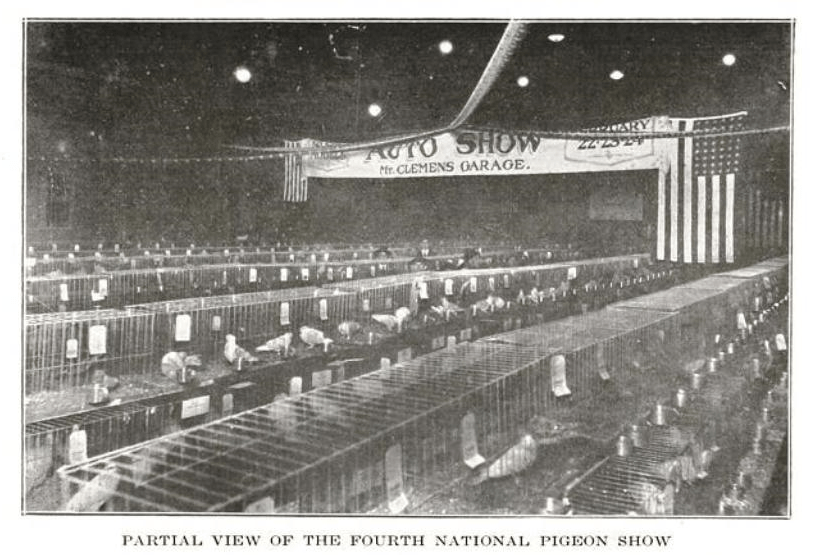
Alas, Happy Jack probably didn’t serve at Mons. His story, like those of the phantasmic fighters, forms a part of the mythos surrounding the battle. If anything, it adds a touch of realism—there are many examples of pigeons saving units from destruction later on in the War. At the same time, it plays off the narrative that miraculous forces intervened to save the British Army from utter annihilation. Regardless of whether it happened or not, the story of the Pigeon of Mons is a fascinating glimpse into how folklore evolves to meet the needs of its audiences.
Sources:
- “Happy Jack,” Mon’s Hero, Sold,” The Lansing State Journal, Jan. 18, 1923, at 1.
- Holleman, Frank, “Fourth National Pigeon Show and Convention,” American Pigeon Journal, Vol. 12, No. 2, Feb. 1923, at 52.
- “70 Soldiers Owe Lives to ‘Happy Jack’ a Pigeon,” The Tribune, Jan. 19, 1923, at 1.
 Pigeons of War